Tango Events in Argentina
Argentina is the birthplace of tango, shared with Uruguay. Buenos Aires alone hosts hundreds of milongas weekly, drawing dancers from every continent.
This density of year-round social dancing means formal festivals are less common than in Europe or North America. The city itself functions as a permanent tango gathering.
Outside Buenos Aires, smaller festivals appear in Cordoba, Mendoza, and other provinces. Many are municipally funded and may shift dates or pause between editions.
The Buenos Aires Tango Festival in August remains the country's flagship event, drawing tens of thousands of participants annually.
For international dancers, Argentina represents both a pilgrimage and a reality check. The social codes, music preferences, and floor dynamics differ from European or North American scenes. Arriving with some milonga experience and an understanding of tango etiquette helps.
Event Locations in Argentina
Tango by Region
Buenos Aires
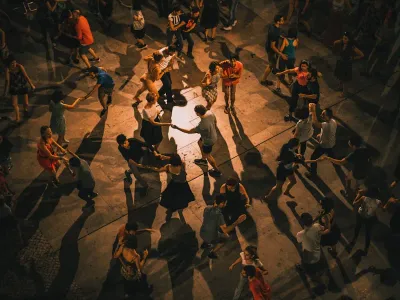
The global capital of tango. Hundreds of milongas operate weekly across the city, from traditional venues in San Telmo and Almagro to newer spaces in Palermo and Villa Crespo. International teachers reside here year-round. La Plata, 60 km south, maintains its own active scene.
Events in Buenos Aires Cordoba and Central Argentina
La Falda in the Cordoba mountains hosts the Festival Nacional de Tango, running since 1965. Cordoba city has a growing community. Mendoza, Argentina's wine region, offers occasional events combining tango with vineyard tourism.
Events in Cordoba and Central Argentina Rest of Argentina
Rosario and Mar del Plata have established local scenes. Smaller cities host occasional events, often tied to municipal cultural programs. Patagonian cities like Bariloche attract tango tourists during ski season.
Events in Rest of ArgentinaEvents by Season

Winter in Argentina
1 eventsJune through August. The Buenos Aires Tango Festival and Mundial de Tango take place in August. La Falda's festival falls in July. Indoor milongas run at full capacity.

Longest Running Festivals in Argentina
These established events have been bringing dancers together for years.
Tango La Falda Festival
39th edition · El Palomar
World Tango Summit
12th edition · Zarate
Misterio Tango Festival
11th edition · Buenos Aires
Festival Buenos Aires Tango
10th edition · Buenos Aires
International Festival Of Tango Roots - Camicando
5th edition · Buenos Aires
Buenos Aires: The Year-Round Festival
Buenos Aires has no off-season. On any given night, multiple milongas operate across the city. Traditional venues in San Telmo and Almagro draw older milongueros and traditionalists. Palermo and Villa Crespo host newer spaces that attract a younger, international crowd.
Established milongas include Salon Canning, La Viruta, El Beso, and Milonga Parakultural — though venues change names, schedules, and locations regularly. Checking current listings on arrival is standard practice.
Most internationally known tango teachers maintain a base in Buenos Aires. Private classes are available year-round, typically at lower rates than in Europe.
Flagship Events
Buenos Aires Tango Festival (August)
Organized by the Buenos Aires city government, this is the largest tango event in the world. Two weeks of concerts, exhibitions, open-air classes, and dozens of milongas across the city. The event coincides with the World Tango Dance Tournament (Mundial de Tango), where couples who qualified through regional preliminaries compete for the world title.
CITA — Congreso Internacional de Tango (March)
Founded by Fabian Sala, CITA runs annually in March. Over five days, more than 30 teaching couples lead workshops, with multiple milongas and live orchestras each evening. The congress has operated for over 24 editions, making it one of the longest-running tango congresses globally.
Festival Nacional de Tango de La Falda (July)
Held in the mountain town of La Falda, Cordoba province, since 1965. One of Argentina’s oldest tango festivals, combining concerts, competitions, and nightly milongas in a setting far removed from Buenos Aires. The Cordoba mountains offer cooler winter temperatures and a slower pace.
Practical Information
- Currency: Argentine Peso (ARS). Exchange rates fluctuate significantly. Many milongas operate on cash; bring US dollars and exchange locally.
- Milonga etiquette: The cabeceo (eye contact invitation) is standard in traditional milongas. Some newer venues are more relaxed. Arriving alone is normal.
- Transport: Buenos Aires has extensive public transit (subte/metro, buses). Taxis and rideshare apps work for late-night milonga returns.
- Local festivals: Smaller provincial festivals are often municipally funded and may be announced late or cancelled due to budget constraints. Ask locally or check community Facebook groups.
Plan Your Trip
- Tango calendar — find specific dates for upcoming events
- All Argentina events — complete listing with filters
- Event series — established festivals returning annually
FAQ: Tango in Argentina
Looking for more? Check out our complete listings.