Eastern Europe has developed a strong tango scene over the past three decades. What started as small communities importing teachers from Buenos Aires, Berlin, and Paris has grown into a calendar of festivals, marathons, and encuentros spanning from the Baltics to the Mediterranean.
For traveling dancers, the region offers lower costs than Western Europe, distinctive venues, and communities that welcome international visitors. Hotel costs run 40–60% below London, Paris, or Berlin. Many festivals take place in settings that Western European events cannot match — medieval old towns, island harbors, mountain spas.
By Country
Greece
Greece has become one of the most active tango destinations in southeastern Europe. The scene extends well beyond Athens, with island festivals offering a combination of dancing and Mediterranean summer travel.
Arsenali Tango Marathon (Chania, Crete) — Held in the old Venetian harbor area, this marathon draws dancers from across Europe. Samos Tango Festival and Todos Tango Festival (Corfu) bring tango to the Greek islands. Athens hosts the Greek Neotango Marathon and Tangogreece Festival, while Kalamata and Syros add further options.
The island events are particularly suited to dancers who want to combine a tango vacation with beaches and tourism.
Poland
Poland has one of Eastern Europe’s largest and most active tango communities. Events spread across multiple cities, and the scene continues to grow.
Krakus Aires Tango Festival and Quiero Verte Tango Festival (both Krakow) anchor the southern scene. Lodz Tango Salon Festival runs in central Poland. Warsaw hosts multiple events including the Warsaw Queer Tango Meeting, Warsaw Vinyl Tango Marathon, and Warsaw Tango Wave. Gdynia Tango Festival serves the Baltic coast, and Magic Castle Tango Marathon in Walbrzych offers a unique castle venue.
Hungary
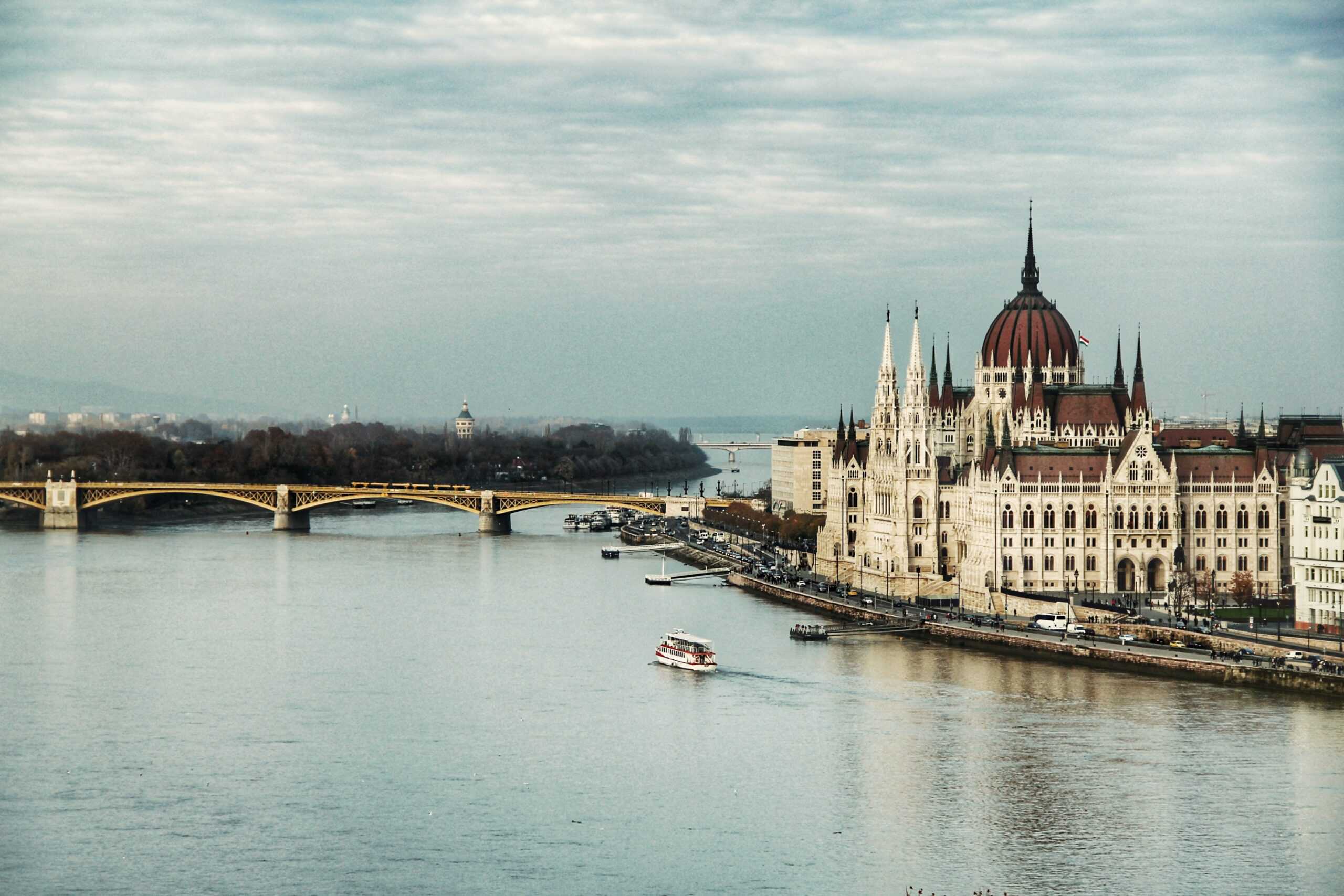
Budapest offers some of the most distinctive festival venues in Europe. The city’s Art Nouveau and Habsburg-era architecture provides ballroom settings rarely found elsewhere.
Tango Temptation Festival (Láng Cultural Center) and El Sabor de Hungría combine Hungarian hospitality with international teaching lineups. Vinilo Budapest Encuentro caters to the encuentro-format audience.
Czech Republic
Prague maintains an active scene with events nearly every month. The city functions as a natural stop for dancers traveling between Western Europe and points east.
Prague Tango Marathon (running since 2024, next edition February 2026) and Desde el Alma are the established series. The compact old town means all venues, restaurants, and hotels sit within walking distance.
Croatia
Croatia combines tango with Adriatic coast tourism. The summer calendar brings festivals to historic coastal towns.
Mediterranean Summer Tango Festival (Porec, 5 editions) established the Adriatic tango scene. Game of Tangueros (Dubrovnik) places dancers in one of Europe’s most photogenic medieval settings. Zagreb hosts its own festival and maintains a year-round scene.
Slovenia
Slovenia punches above its weight in tango events relative to its size. Two well-established series draw international participants.
Time For Tango Festival (Dobrna, 8 editions since 2014) is one of the longest-running events in the region, set in a thermal spa town. Ljubljana Tango Festival (5 editions) anchors the capital’s scene.
Romania
Romania offers a growing scene with events in Bucharest and Transylvania.
Funko Tango (Bucharest, 3 editions, next May 2026) has become the flagship event. Transylvania Tango Marathon (Brasov) places dancers in the Carpathian mountain setting. Bucharest Tango Encuentro adds an encuentro-format option.
Baltic States
Latvia leads the Baltics with the El Abrazo De Riga Festivalito (5 editions) and Tango Sun Festival (Jurmala, 4 editions since 2008). Jurmala’s beach resort setting adds a summer vacation dimension. Estonia hosts the Viejo Tallinn Marathon in Tallinn’s medieval old town. Lithuania has a smaller but developing scene.
Bulgaria
Sofia Tango Festival (2 editions) anchors the Bulgarian scene. The Varna Summer Tango Marathon takes advantage of Black Sea summer weather.
Serbia
Belgrade has maintained a tango community since the 2000s. The Belgrade Tango Festival is one of the longest-running events in the Balkans. Belgrade Tango Encuentro (next edition June 2026) adds an encuentro option.
Georgia
Tbilisi has an emerging tango community, with occasional marathon events and a growing milonga scene. Georgia’s position outside the EU and Schengen Area makes it a distinct destination, though visa-free for many nationalities.
Travel Logistics
Transport: Budget airlines (Ryanair, Wizz Air) connect most Eastern European capitals cheaply. Warsaw, Budapest, Prague, and Athens are major hubs with direct flights across Europe. Trains connect neighboring countries effectively — Prague to Vienna, Warsaw to Krakow, Budapest to Zagreb.
Accommodation: Expect 40–80 EUR per night in most capitals (less in smaller cities). Airbnbs in old town locations often cost less than hotels and place dancers closer to venues.
Language: English is widely spoken in tango communities across the region. Festival communications and workshop translations are typically in English.
Currency: Euro in Greece, Slovenia, Latvia, Estonia, Lithuania, Slovakia, and Croatia. Local currencies elsewhere (Polish zloty, Hungarian forint, Czech koruna, Romanian leu, Serbian dinar, Georgian lari). Card payments are accepted at most urban venues.
Browse all events in Eastern Europe or visit individual country pages for current listings.
Frequently Asked Questions
Related Articles
Festival, Marathon, or Encuentro — How to Choose
Tango festivals, marathons, encuentros, and vacations each offer a different experience. This guide explains the formats, who they suit, and how to pick the right event.
Tango Festivals in European Capitals
A guide to tango festivals, marathons, and encuentros in Europe's capital cities. Berlin, Paris, Budapest, Rome, Vienna, London, Lisbon, Warsaw, and Prague.