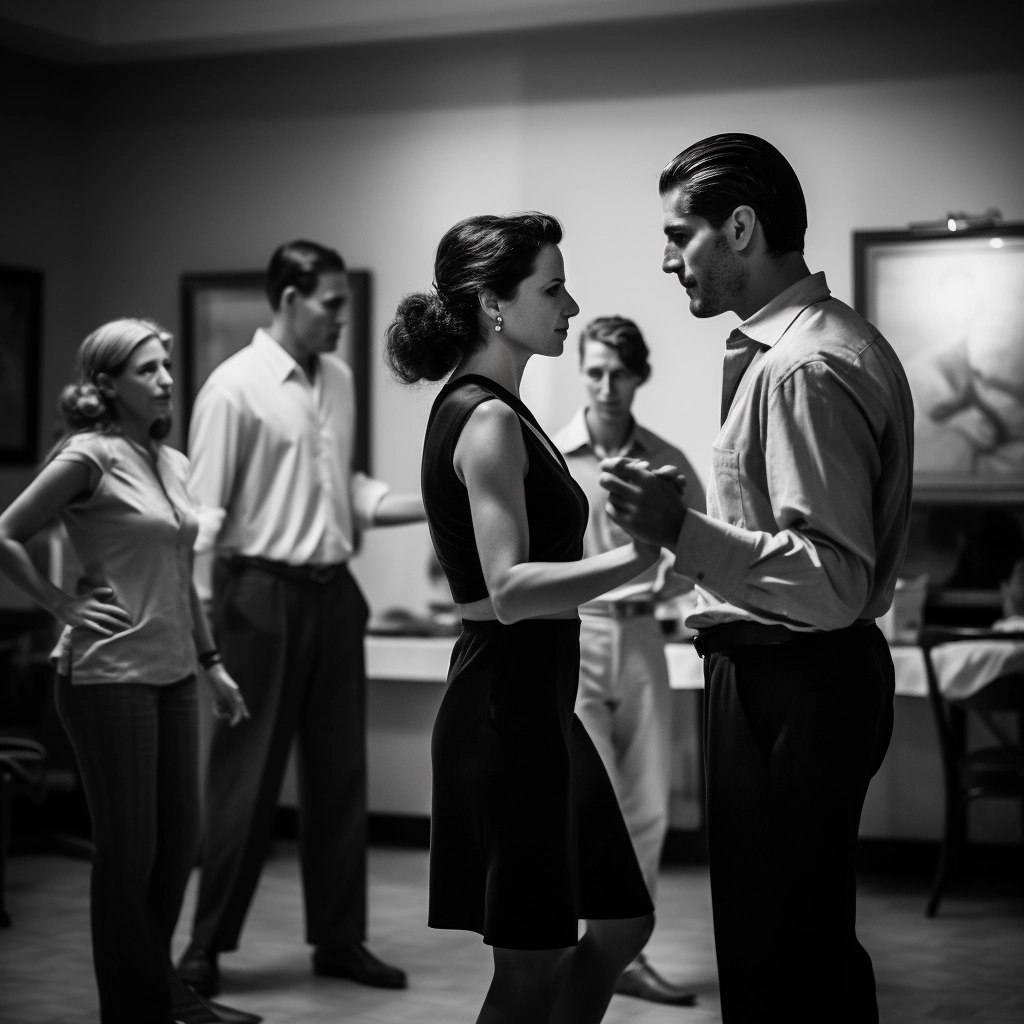
Tango festivals combine workshop instruction with hours of social dancing. That combination — learning by day, practicing by night — can compress weeks of progress into a single weekend. The key is approaching the experience with a strategy rather than signing up for every class.
Ten Strategies for Festival Learning
1. Assess the Starting Point
Before the festival, ask a regular teacher for an honest evaluation. Knowing specific strengths and weaknesses makes it easier to choose workshops that address real gaps rather than repeating familiar material.
2. Choose Classes Carefully
Festivals offer workshops across multiple levels. Select based on actual skill, not aspiration. Attending a class above the appropriate level disrupts learning for everyone in the room — and produces frustration rather than progress.
3. Participate Actively
Ask questions during workshops. Request feedback from teachers during practice time. When partner rotation is available, use it — adapting to different bodies teaches more than repeating with one person.
4. Use Milongas as Practice
The evening milongas provide the real laboratory. Arriving early, when the floor is still empty, allows time to rehearse new material with workshop partners before the social dancing begins in earnest.
5. Take Notes
Write down key points after each class. Techniques described verbally fade quickly. Notes, short videos, or even voice memos after a session help reinforce what the body experienced hours earlier.
6. Pace the Schedule
Attending six workshops in one day produces diminishing returns. The body needs time to integrate new movement patterns. Two or three focused sessions per day, with rest between, produce better retention than an exhausting marathon of classes.
7. Consider Private Lessons
A 45-minute private lesson with a festival teacher can address specific issues that group classes cannot. The personalized feedback is often worth the investment — though expectations should remain realistic. No single lesson transforms a dancer overnight.
8. Maintain a Core Style
Exposure to different teachers and styles is one of a festival’s strengths. At the same time, absorbing too many conflicting approaches in a short period can create confusion. Filter new ideas through an existing foundation rather than rebuilding from scratch each weekend.
9. Research the Teachers
Watch video of the teaching couples before the festival. If their style resonates, their classes are more likely to produce lasting impact. Chemistry between student and teacher matters more than reputation.
10. Separate Teaching from Performing
Stage performers and skilled teachers are different skill sets. Some extraordinary dancers struggle to explain what they do. Others are unremarkable performers but excel at breaking down technique. Asking experienced dancers in the local community for recommendations helps distinguish the two.
Beyond the Workshops
The social hours at a festival — shared meals, corridor conversations, late-night dancing — contribute as much to growth as formal instruction. Watching advanced dancers from the side of the floor reveals musicality and navigation patterns that no workshop can fully convey.
Festivals also expose dancers to the broader tango community beyond their home city. The connections made over a weekend often lead to invitations to events in other countries and different formats.
For practical preparation, the packing list covers what to bring. For choosing between event types, see Festival, Marathon, or Encuentro. Browse upcoming festivals with workshops to find the next opportunity.
Frequently Asked Questions
Related Articles
Festival, Marathon, or Encuentro — How to Choose
Tango festivals, marathons, encuentros, and vacations each offer a different experience. This guide explains the formats, who they suit, and how to pick the right event.
Tango Festival Packing List — What to Bring
A practical packing checklist for tango festivals, marathons, and encuentros. Dance shoes, clothing, hygiene, accessories, and what most dancers forget.